Trusted veterinary care in Mintlaw

How can we help today?
Register Pet
Book appointment
Pet Health Club®
Order medication
Pay my bill
Contact us
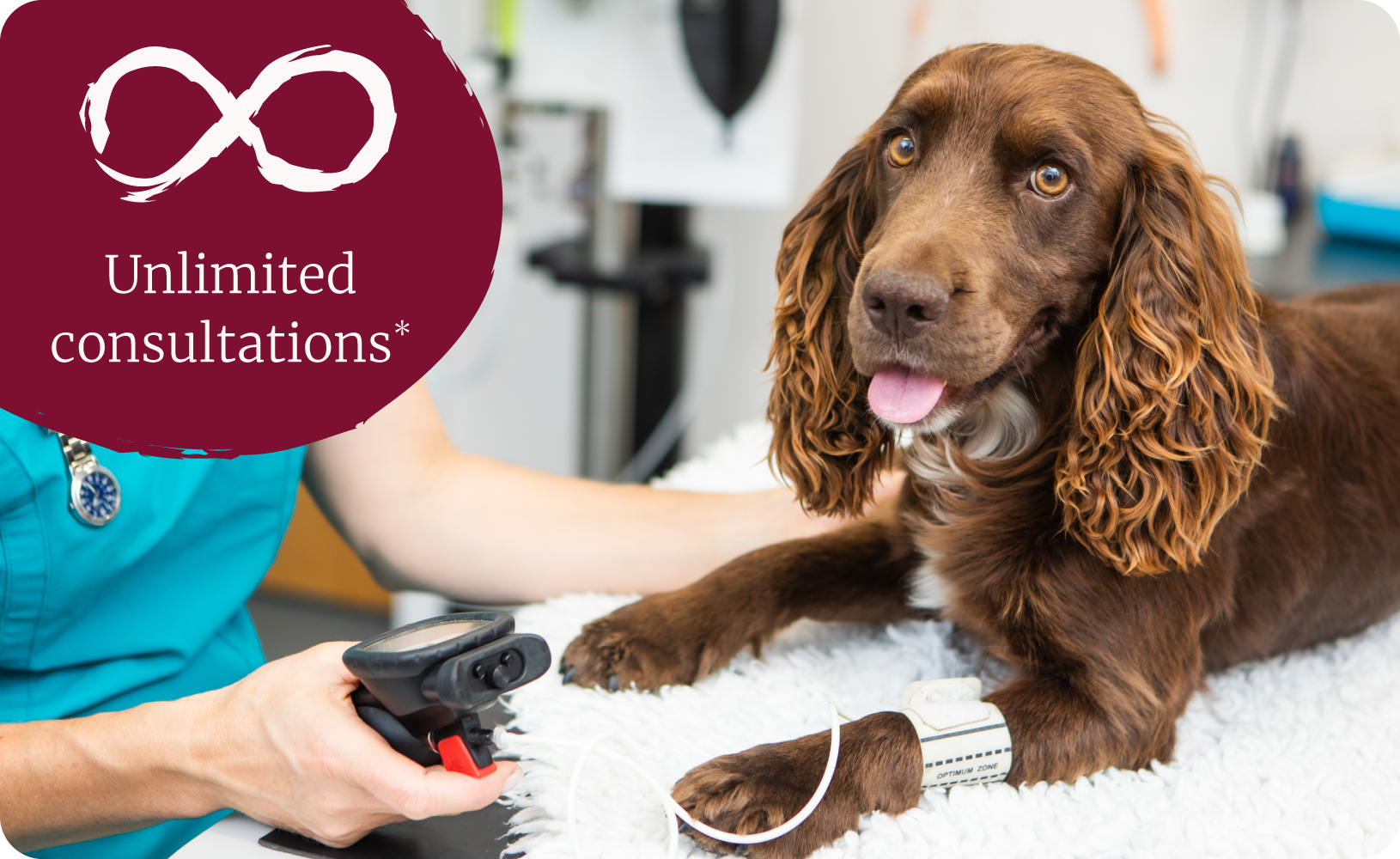
Pet Health Club® Plus
Have you heard about our new Plus Plans? They include:
- Unlimited consultations †
- All the benefits of our Essential Plan
- 24/7 access to an online vet ‡
Our Vet Services & Prices
At Mintlaw Vet Surgery in Mintlaw, we provide comprehensive care for cats, dogs, and small animals. Our services include:
- Vaccinations
- Neutering
- Pet Health Club
- Pet wellness screening
- Microchipping
- K-Laser therapy
- Acupuncture
- Nurse clinics
- Surgical facilities
- Dental facilities
- X-rays
- Ultrasound scanner
- In-house laboratory
- Endoscopy
- Separate dog & cat wards
Animals We Care For
We welcome all sorts of pets from the everyday to the not-your-everyday...
Companion Animals
The practice cares for companion animals such as cats, dogs, rabbits, guinea pigs, ferrets and hamsters.
Exotic Friendly
This practice will treat exotic animals such as lizards, snakes, reptiles and birds. They can also offer advice and support based on the needs of your pet.
Rabbit Friendly
Practices with Rabbit Friendly status cater specifically for the needs of rabbits and other small animals. They will provide specialist knowledge based on the needs of your small animal.
Accessibility
Wheelchair accessible
On-site parking
If you need any extra assistance give us a call and we'll be happy to help you.
Meet the team
Rebecca Cooper
Practice Manager
Eilidh Kirkwood
BVM&S MRCVS Clinical Director & Veterinary Surgeon
Alison Smith
BVMS MRCVS Veterinary Surgeon
Sheila Kerr
BVMS MRCVS Veterinary Surgeon
Jessica Riley
Vet
Rachel Hay
RVN Veterinary Nurse
Laura Sinclair
RVN Head Nurse
Nikki Minty
RVN Veterinary Nurse
Opening hours
Find us
Dunshillock, Mintlaw, Aberdeenshire, AB42 4JN
Contact Us
Our dedicated pet care team is ready to assist you. Contact us for information on how we can support your pet's needs.
Follow the fun...
*For verification, see www.pethealthclub.com/uk/verify
**Recommended for cats aged 7+ and will only be undertaken if clinically and age-appropriate.
† Specialist, referral, or out-of-hours consultations are not included. Consultation fees associated with administering injections for chronic conditions are not included but discounted for PHC Plus members. Fair usage policy and terms and conditions apply. See Terms of Sale here.
‡ Included for Pet Health Club Plus members. Essential members receive a 50% discount. Cats aged 7+ are entitled to a wellness screen.

.webp?ext=.webp)